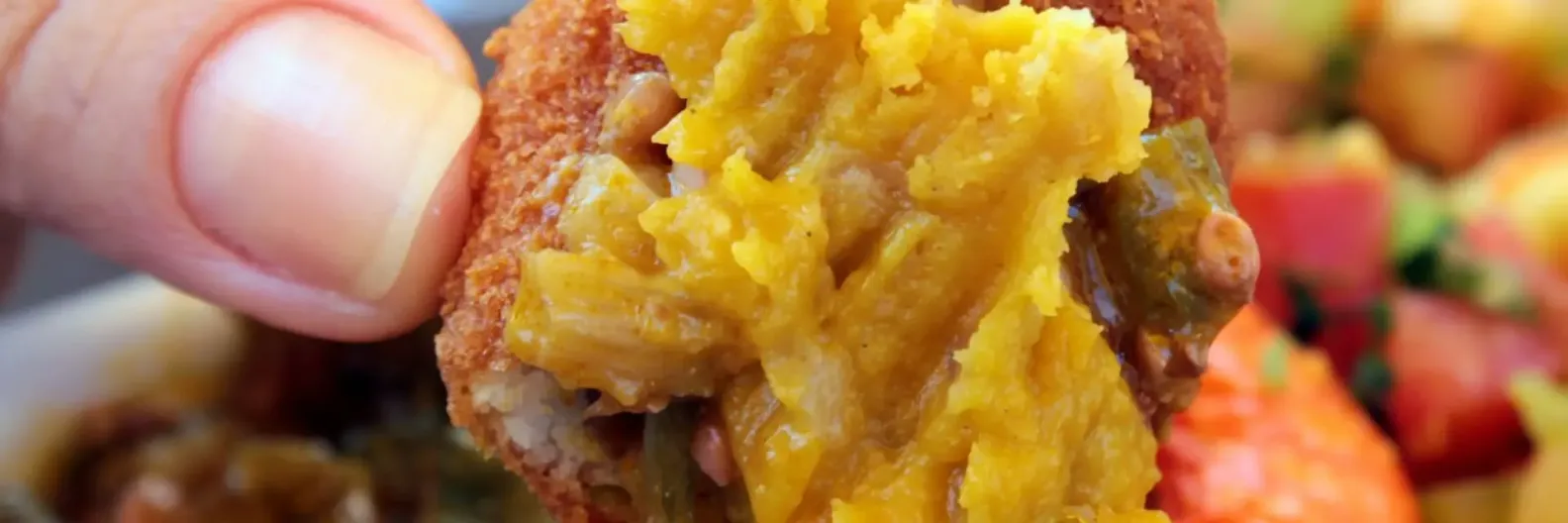
Despite the popular name, not everyone knows what acarajé is. The black-eyed bean fritter, fried in palm oil, is a symbol of Bahia and a sacred offering of Candomblé. It is very common in the Western region of Africa, but it has different names in each country.
Controversies exist regarding the origin of acarajé and when it arrived in Brazil, but it is believed that slaves from Benin brought the delicacy to Brazilian lands between the end of the 18th century and the beginning of the 19th century. So, we have already said that, if you like history and culture, this content is not to be missed.
Continue reading the text to learn what acarajé is, what is their religious participation in Candomblé and how it became part of Bahian culture
. Acarajé and Candomblé Before knowing what acarajé is
made of, it is important to understand the meaning of the term. It originates in Yoruba, an African language, where akará means “fireball” and jé means “to eat”. Together, the terms form the expression “eating fireballs”, directly related to the story of Xangô and
Iansã. The story goes that Iansã, Xangô's wife, went to the house of Ifá (African oracle) to get food for her husband. When delivering the food, Ifá recommended that Xangô speak to the people after eating. Iansã became suspicious and tasted the delicacy before giving it to her husband, but nothing happened
. When she arrived home, Iansã handed the dish to Xangô and passed on Ifá's recommendation. Xangô followed the instructions, and flames came out of his mouth as he spoke to the people. Iansã came to help him, but the flames also started to come out of his mouth. Because of this, the people began to hail them as great fire kings
. Acarajé preparation
Are you curious to know what is in acarajé offered to Orixás? It is a fried black-eyed bean dumpling and can only be prepared by the children of saints. Depending on the type of offering, acarajé is made in different sizes and shapes, but the recipe cannot be modified.
Therefore, this acarajé is different from the one sold on the street corners of Salvador, which contains various supplements, such as shrimp and, in some cases, vinaigrette.
Acarajé and history of Brazil
As mentioned before, acarajé is of African origin and arrived in Brazil because of slaves who came from Africa. At the time, there were female slaves for gain, who had the function of taking to the streets and selling merchandise to their
bosses. They sold different items: porridge, fried fish, acarajés, cakes, cocadas and much more. After work, female slaves passed on most of their profits to their bosses, but they could keep a small percentage. Because of this, many were able to support their families and buy their own freedom
. The profit from this activity also helped in the creation of religious brotherhoods and in the financing of candomblé yards. Women continued the profession after the slave period and are now known as the Baianas do Acarajé
. Baianas do Acarajé
Baianas do Acarajé are easily recognizable by their clothing: headcloth, long white dress, props and necklaces. The profession of Baianas do Acarajé is considered a National Heritage Site and is related to the ritual that involves the preparation of food, in addition to the clothing worn by
women. Finding a Bahian woman from Acarajé is very simple, especially in Salvador, where there is at least one of them around the corner. However, it is worth noting that acarajé sold on the street is different from that
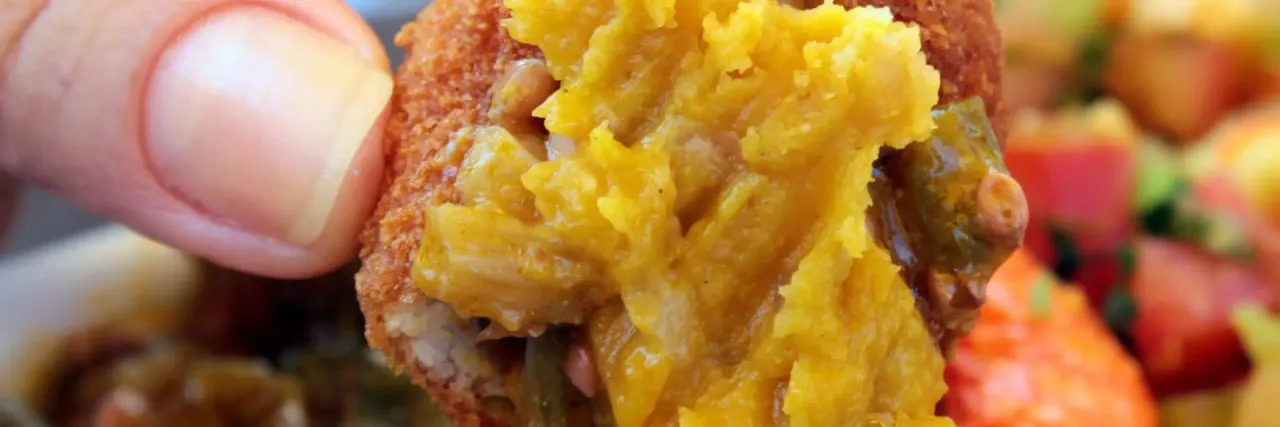
offered to orixás. So, to keep it simple, see what acarajé is: a black-eyed bean dumpling, fried in oil palm. However, what goes in acarajé as a complement may vary. In general, the dumpling is usually filled with shrimp, vatapá, and caruru.
Also, know that Bahian women ask customers if they want to eat hot or cold, which can cause some confusion for tourists. Then, take note of this tip: hot acarajé is made with plenty of pepper, while the cold one dispenses with the seasoning
. Come to Costa do Sauípe!
Now that you know what acarajé is and what the story behind one of Bahia's symbols is, it's time to visit this Northeastern state. At the Costa do Sauípe Resort, guests enjoy the facilities of the all-inclusive system and can eat acarajé every day. The delicacy is prepared by a Bahian acarajé woman and it is possible to choose the accessories
. In addition to the wide gastronomic variety, the complex has several swimming pools, beaches and activities for the whole family. Check out our promotional packages and come and enjoy the Bahian coast.